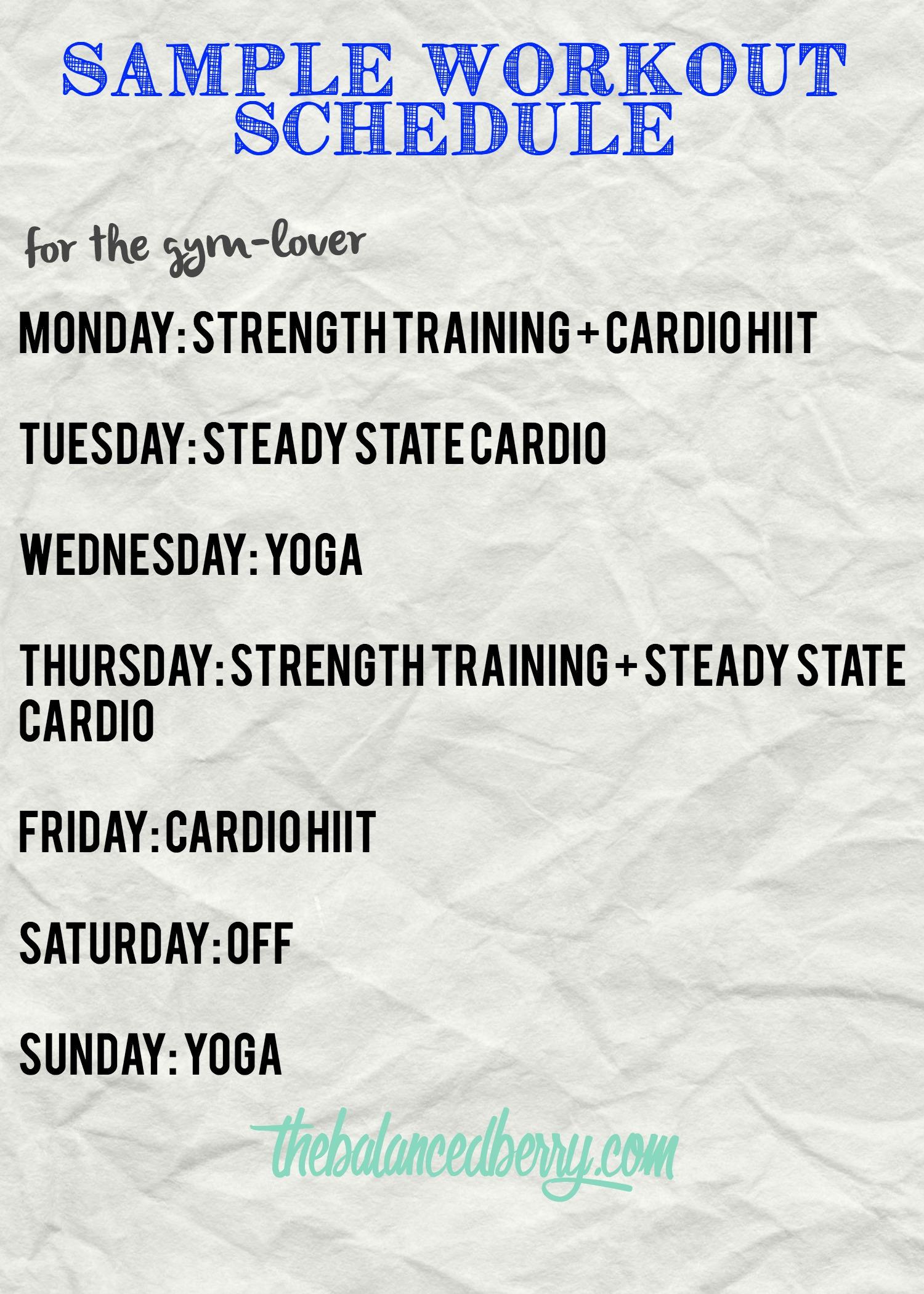
Creating a balanced weekly workout routine is essential for anyone looking to improve their fitness and overall well-being. In a world where exercise options are endless, it’s easy to feel overwhelmed by the sheer variety of choices. However, by understanding the core principles of balance, variety, and consistency, you can design a workout plan that not only meets your fitness goals but also keeps you motivated and engaged. This guide will walk you through the process of crafting a well-rounded exercise regimen, ensuring that you incorporate the right mix of cardio, strength training, flexibility, and rest. Whether you’re a seasoned athlete or a fitness novice, this approach will help you optimize your workouts and pave the way for sustainable progress.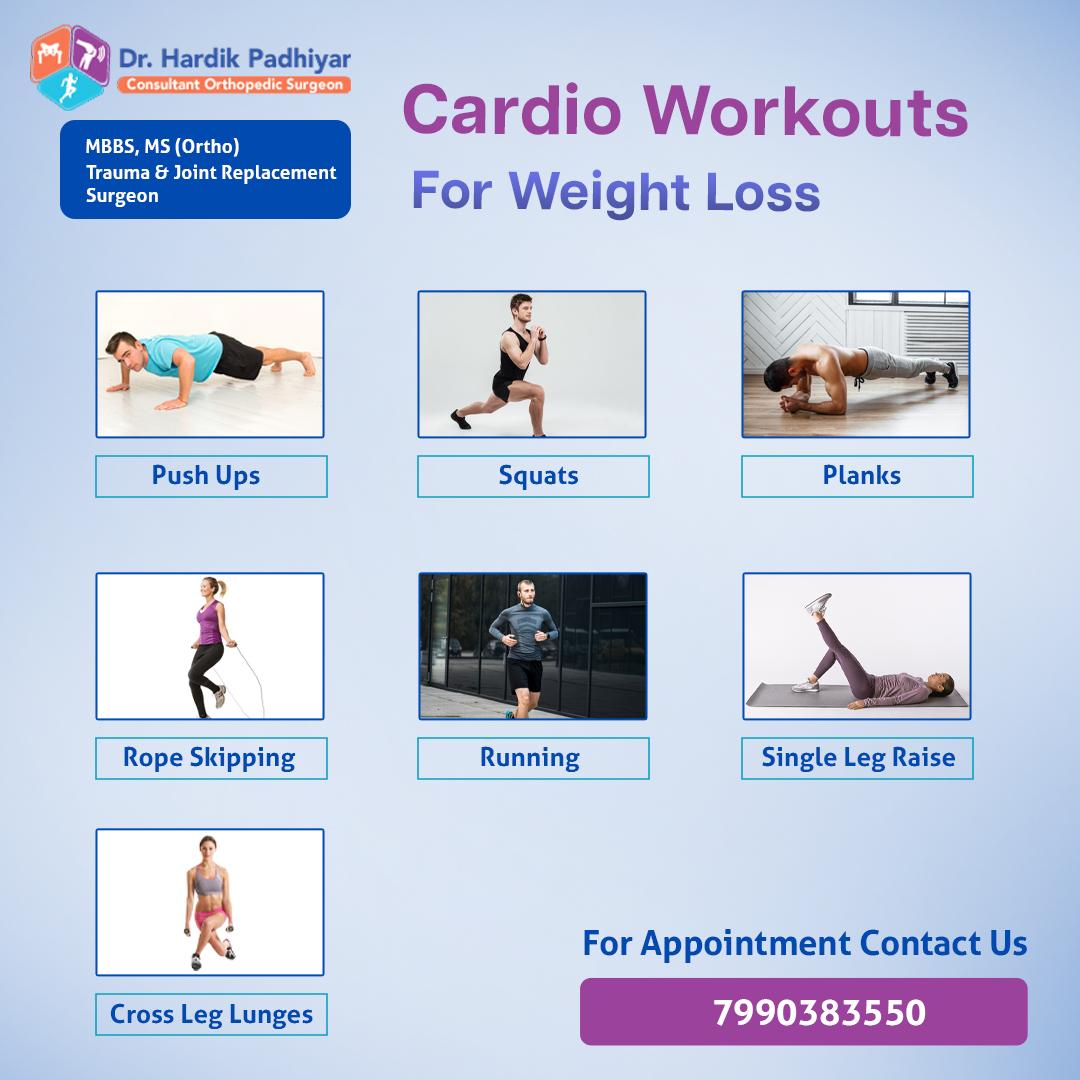
Incorporate a Mix of Cardio, Strength, and Flexibility Exercises
To ensure your weekly workout routine is both balanced and effective, it’s crucial to include a blend of different exercise types. Each category of exercise offers unique benefits that contribute to overall fitness and health. Cardio workouts are excellent for improving cardiovascular health, boosting endurance, and burning calories. Activities like running, cycling, or swimming can be incorporated into your routine to get your heart rate up and keep your energy levels high.
- Strength training is essential for building muscle, increasing bone density, and enhancing metabolic rate. Incorporate exercises like weight lifting, resistance band workouts, or bodyweight exercises such as push-ups and squats to challenge your muscles.
- Flexibility exercises are often overlooked but are vital for maintaining a full range of motion in your joints and preventing injuries. Include yoga, Pilates, or simple stretching routines to ensure your body remains limber and adaptable.
By weaving these diverse exercise forms into your weekly schedule, you not only enhance your physical fitness but also create a dynamic routine that keeps you motivated and engaged.

Plan Rest and Recovery Days to Enhance Performance
Incorporating rest and recovery days into your weekly workout routine is not just a luxury; it’s a necessity for optimal performance and overall well-being. These days are crucial for allowing your muscles to repair, reducing the risk of injury, and preventing burnout. Rest days should not be seen as days of inactivity but rather as opportunities for active recovery and mental rejuvenation. Consider activities like gentle yoga, stretching, or a leisurely walk to keep your body moving without straining it. These activities can enhance circulation, ease muscle tension, and improve flexibility.
To maximize the benefits of rest days, pay attention to your body’s signals and adapt your routine accordingly. Here are some tips to ensure you’re making the most out of your recovery days:
- Listen to your body: If you’re feeling overly fatigued or sore, it might be time for an additional rest day.
- Prioritize sleep: Quality sleep is a cornerstone of effective recovery. Aim for 7-9 hours per night to help your body repair and rejuvenate.
- Nutrition matters: Fuel your recovery with a balanced diet rich in proteins, healthy fats, and carbohydrates.
- Hydration is key: Stay well-hydrated to aid muscle recovery and reduce fatigue.
- Mind your mental health: Use rest days to engage in activities that relax your mind, such as meditation or reading.
By strategically planning your rest and recovery days, you empower your body to perform at its best, ensuring longevity and sustainability in your fitness journey.

Customize Your Routine to Match Fitness Goals and Experience Level
Crafting a workout plan that aligns with your fitness goals and experience level is essential for achieving optimal results. Begin by assessing your current fitness level and defining clear goals. Whether you’re aiming for weight loss, muscle gain, or increased endurance, tailor your routine to suit these objectives. Beginner? Start with low-impact exercises like walking or cycling and gradually increase intensity. For those with more experience, incorporate a mix of strength training, cardio, and flexibility exercises to maintain balance and prevent burnout.
- Identify your goals: Weight loss, muscle gain, endurance, or flexibility.
- Assess your experience level: Beginner, intermediate, or advanced.
- Plan your workouts: Mix strength, cardio, and flexibility exercises.
- Monitor progress: Adjust your routine based on performance and results.
Remember to listen to your body and allow for adequate rest and recovery. This not only prevents injury but also maximizes the effectiveness of your workouts. Customize your routine regularly to keep it engaging and aligned with any new goals or achievements. By doing so, you ensure a sustainable and rewarding fitness journey.
Track Progress and Adjust Workouts for Continuous Improvement
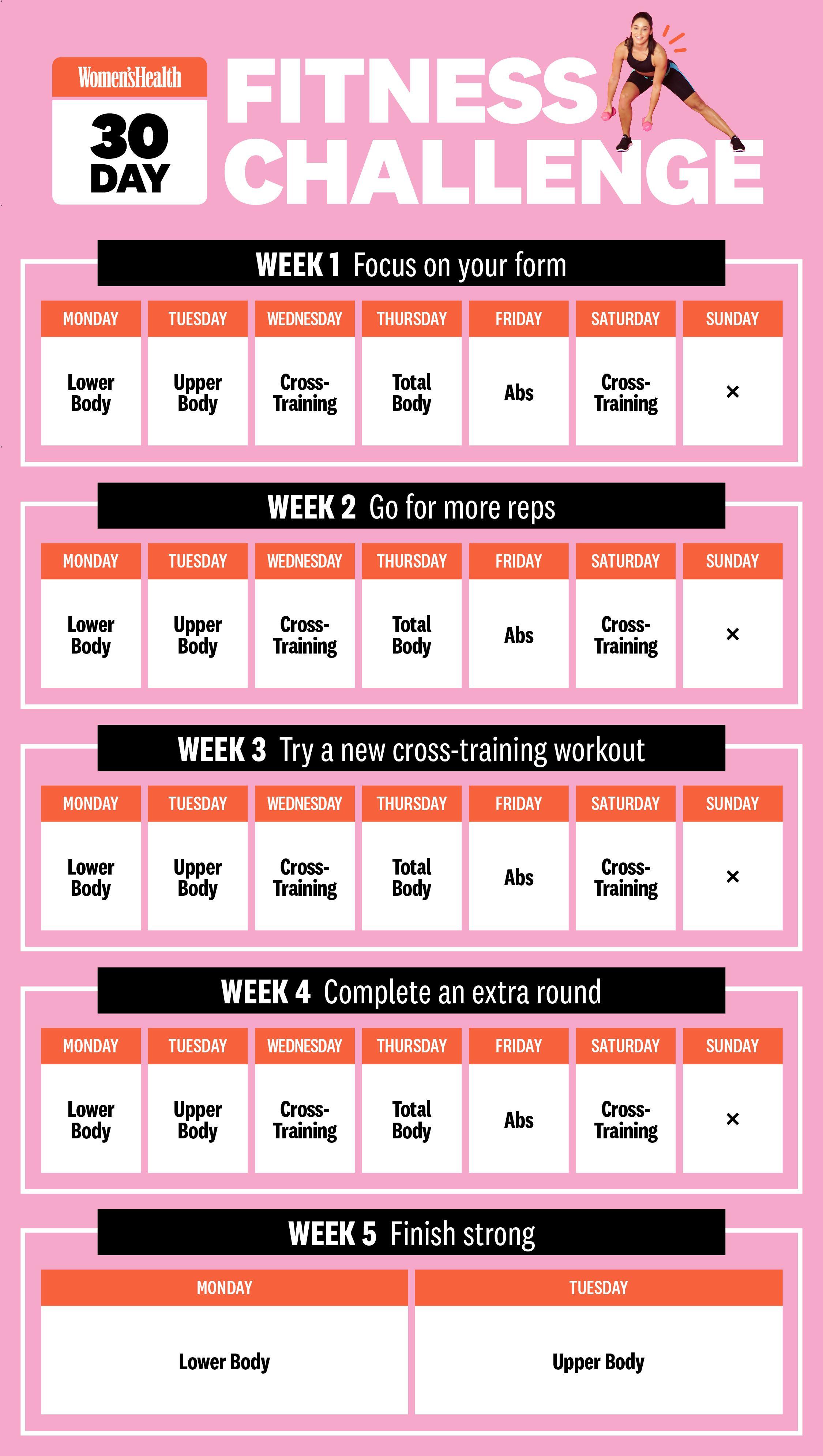
To ensure that your weekly workout routine is effective and promotes continuous improvement, it’s essential to monitor your progress and make necessary adjustments. Start by keeping a workout journal or using fitness apps to track key metrics such as strength gains, endurance levels, and flexibility. This data will provide insights into what’s working and what needs tweaking. Regularly assess your performance by asking yourself questions like: Are you lifting heavier weights or running longer distances? Is your recovery time improving? Such evaluations help you understand your progress and motivate you to push further.
Modify your workouts based on your assessments to prevent plateaus and overtraining. Consider the following adjustments:
- Vary your exercises: Introduce new movements or equipment to challenge different muscle groups.
- Alter intensity: Increase the resistance or speed to enhance strength and endurance.
- Change duration: Shorten or lengthen sessions to focus on either intensity or endurance.
- Incorporate rest: Ensure adequate recovery time to avoid burnout and reduce injury risk.
By staying adaptable and responsive to your body’s feedback, you’ll not only maintain a balanced routine but also achieve greater results over time.